Flying with a Car Seat: Check It, Gate-Check It, or Bring It Aboard?
- The Short Answer: Bring It Aboard If You Can
- First, Check the Label: Is Your Seat FAA-Approved?
- Your Three Options Compared
- Option 1: Install the Car Seat on the Plane
- Option 2: Gate-Check the Car Seat
- Option 3: Check It at the Ticket Counter
- What About the Other End of the Trip?
- Quick Pre-Flight Checklist
- The Bottom Line
The Short Answer: Bring It Aboard If You Can
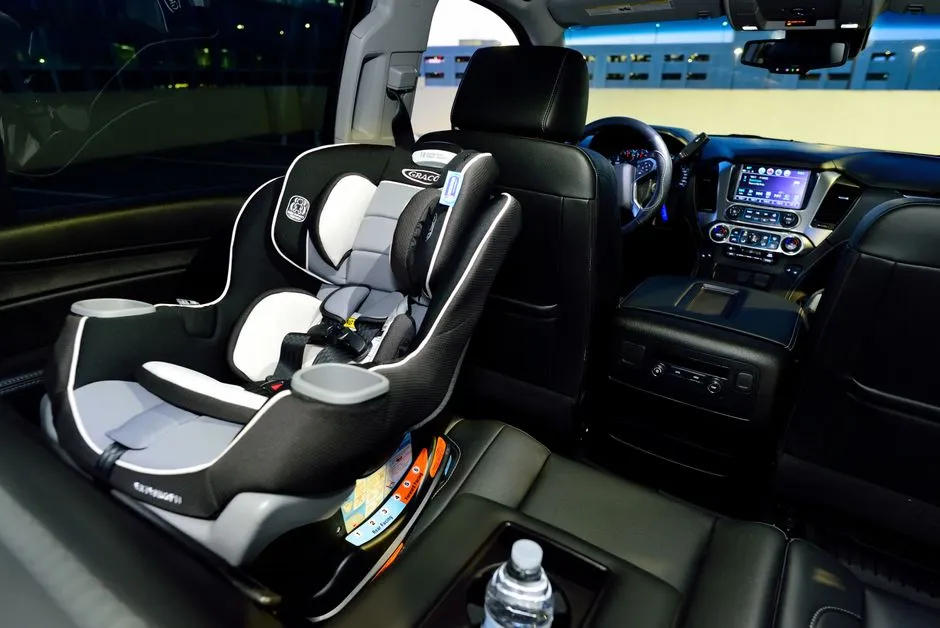
If your child has their own airplane seat and your car seat is FAA-approved, the safest and least stressful option is to install the car seat on the plane. Both the FAA and the AAP recommend that children fly in an approved child restraint rather than on a lap — turbulence is the leading cause of in-flight injuries, and a lap is not a restraint. Bringing the seat aboard also means it never enters the cargo hold, where car seats get tossed, crushed, and occasionally lost.
That said, "bring it aboard" isn't always possible or practical. Maybe you booked a lap-infant fare, maybe your convertible seat is a 30-pound monster, maybe the flight is full and the seat won't fit. So here's the honest rundown of all three options — carry on, gate-check, or check at the ticket counter — with the trade-offs each one carries.
For island families, this question isn't hypothetical. Every trip off-island is a flight, so it's worth settling your car seat strategy once and reusing it. And it starts before you book: if you're still deciding which seat to buy, our car seat buying guide flags travel-friendliness as one of the criteria worth weighing from day one.
First, Check the Label: Is Your Seat FAA-Approved?
Most infant seats and convertible car seats sold in the U.S. are certified for aircraft use. Look for the sticker on the side or bottom of the seat that reads, in red lettering, that the restraint is certified for use in motor vehicles and aircraft. No sticker, no boarding — flight attendants are trained to check for it, and they will.
Two important exceptions:
- Booster seats are not approved for use in flight. Boosters work by positioning a lap-and-shoulder belt, and airplane seats only have lap belts. A booster can travel as luggage, but your child can't sit in one during the flight.
- Car seat bases usually stay home or fly as luggage. Infant seats install on aircraft with the lap belt alone, no base needed. Check your manual for the baseless (also called "European" or belt-routing) install before you fly.
While you're checking the label, confirm the seat isn't expired and hasn't been recalled — a travel day is a bad time to discover either. Our guide to car seat expiration and recalls covers how to check both in about five minutes.
Your Three Options Compared
| Bring aboard | Gate-check | Counter-check | |
|---|---|---|---|
| Child restrained in flight | Yes — safest option | No (lap or seatbelt only) | No (lap or seatbelt only) |
| Requires a purchased seat for child | Yes | No | No |
| Handling risk to the car seat | None | Moderate — still goes in cargo | Highest — full baggage system |
| Hassle through the airport | You carry or roll it | You carry or roll it to the gate | Drop it at check-in, done |
| Typical airline fee | None (uses child's seat) | Usually free | Usually free |
| Seat available at arrival gate | Immediately | Usually at the jet bridge or baggage claim | Baggage claim |
A note on fees: U.S. airlines generally transport car seats free of charge whether gate-checked or counter-checked, even for lap infants. Policies do vary, especially on international carriers, so confirm with your airline before you fly rather than trusting a general rule.
Option 1: Install the Car Seat on the Plane
Why it wins
Safety, plainly. An FAA-approved seat, correctly installed with the aircraft lap belt, protects your child through turbulence, hard landings, and aborted takeoffs the way a lap never can. There's a comfort dividend too: babies who ride in their car seat daily often nap in the familiar seat mid-flight, which is worth more than any gadget in your carry-on.
Practical rules to know:
- The car seat goes in a window seat (or certain middle seats on widebodies), so it doesn't block anyone's path to the aisle. It can't be in an exit row, or in the row directly ahead of or behind one on many aircraft.
- Rear-facing stays rear-facing. Install the seat on the plane the same direction your child rides in the car. Keep kids rear-facing as long as their seat allows — the airplane doesn't change that.
- Width matters. Coach seats commonly run around 17 to 18 inches between armrests. Many popular convertibles fit; some wider models are a genuine squeeze. Measure your seat's widest point at armrest height before you fly.
- Under age two, you can choose a lap-infant fare on domestic flights — but the FAA and AAP both recommend buying the seat instead. Airlines sometimes discount infant fares; it's worth asking.
Worth knowing
Carrying a convertible seat through an airport is real work — many weigh 20 to 30 pounds, and you still have a child and bags. A wheeled car seat travel cart (they typically run about $20 to $50, prices vary by retailer) or a strap that lashes the seat to your rolling carry-on turns this from miserable to manageable. Lighter-weight convertibles, often under about 15 pounds, exist partly for this reason and are worth a look if you fly often.
The CARES harness alternative
For kids roughly 22 to 44 pounds who are seasoned sitters, the CARES harness — the only FAA-approved harness device — loops around the airplane seatback and adds shoulder straps to the lap belt. It packs down to the size of a paperback. The catch: it's plane-only, so you still need a car seat waiting at your destination, and it typically costs about what a budget convertible does.
Option 2: Gate-Check the Car Seat
Gate-checking means you keep the seat through security and the terminal, then hand it over at the end of the jet bridge. It rides in cargo but skips the full baggage gauntlet, and you usually get it back at the aircraft door or the jet bridge on arrival.
Why families choose it
This is the standard play for lap-infant travelers: baby rides on your lap (or in a carrier — check your airline's rules for taxi, takeoff, and landing), and the car seat is waiting when you land, ready for the rental car. It pairs naturally with a compact stroller you're also gate-checking; our roundup of the best travel strollers covers folds that make this juggle easier.
Worth knowing
Gate-checked doesn't mean gently handled — the seat is still loaded into the hold, sometimes stacked under other gate-checked items. Use a padded car seat travel bag rather than the airline's plastic sack, and cinch harness straps down so nothing snags. And remember the trade-off you're accepting: a lap infant is unrestrained in turbulence. If a mostly-empty flight has open seats, ask at the gate — crews will often let you bring a gate-tagged car seat back aboard to an empty seat.
Option 3: Check It at the Ticket Counter
Counter-checking is the lowest-effort option: the seat disappears at check-in and reappears at baggage claim.
Why it sometimes makes sense
If your child is old enough that they'll fly with the aircraft seatbelt (generally past the car seat stage but not yet ready for that alone in the car), or you're hauling a second seat for a grandparent's car, checking it frees your hands for everything else.
Worth knowing
This route exposes the seat to the full baggage system: conveyors, carts, weather, and drops you'll never see. Damage isn't always visible from the outside, which is exactly the problem — a seat with hidden structural damage looks fine and isn't. Always use a padded travel bag, inspect the seat carefully on arrival, and if it emerges with visible cracks or bent parts, treat it like a crashed seat and contact the airline and manufacturer before using it again.
What About the Other End of the Trip?
A car seat strategy only works if it covers the ground portion too. Three quick scenarios:
- Rental car: Bringing your own seat is almost always better than renting one from the agency — rental seats have unknown histories and inconsistent condition. This alone justifies gate-checking a seat for a lap infant.
- Rideshare and taxis from the airport: You'll need the seat at the curb, which argues for gate-checking over counter-checking (faster reunion) or bringing it aboard (fastest of all).
- Staying with family: If a borrowed seat is waiting at your destination, verify its history, expiration date, and recall status before the trip, not after you land.
Quick Pre-Flight Checklist
- Confirm the aircraft-certification sticker is on the seat
- Check expiration date and recall status
- Practice the lap-belt-only install at home (infant seats: baseless install)
- Measure seat width against the airline's seat specs
- Pack or buy a padded travel bag if the seat is going in cargo
- Confirm your airline's car seat and lap-infant policies in writing
The Bottom Line
Buy the seat, bring the car seat aboard, install it at the window — that's the gold standard, and it's the one the FAA and AAP endorse. Gate-checking is a reasonable compromise for lap-infant travel if you protect the seat properly. Counter-checking is fine for spare seats but the roughest ride for the one your child depends on. And if you're realizing your current seat is a poor traveler, the fix might be upstream: an infant seat, a convertible, or one of each changes the travel math considerably.